What water damage restoration costs in Old Forge
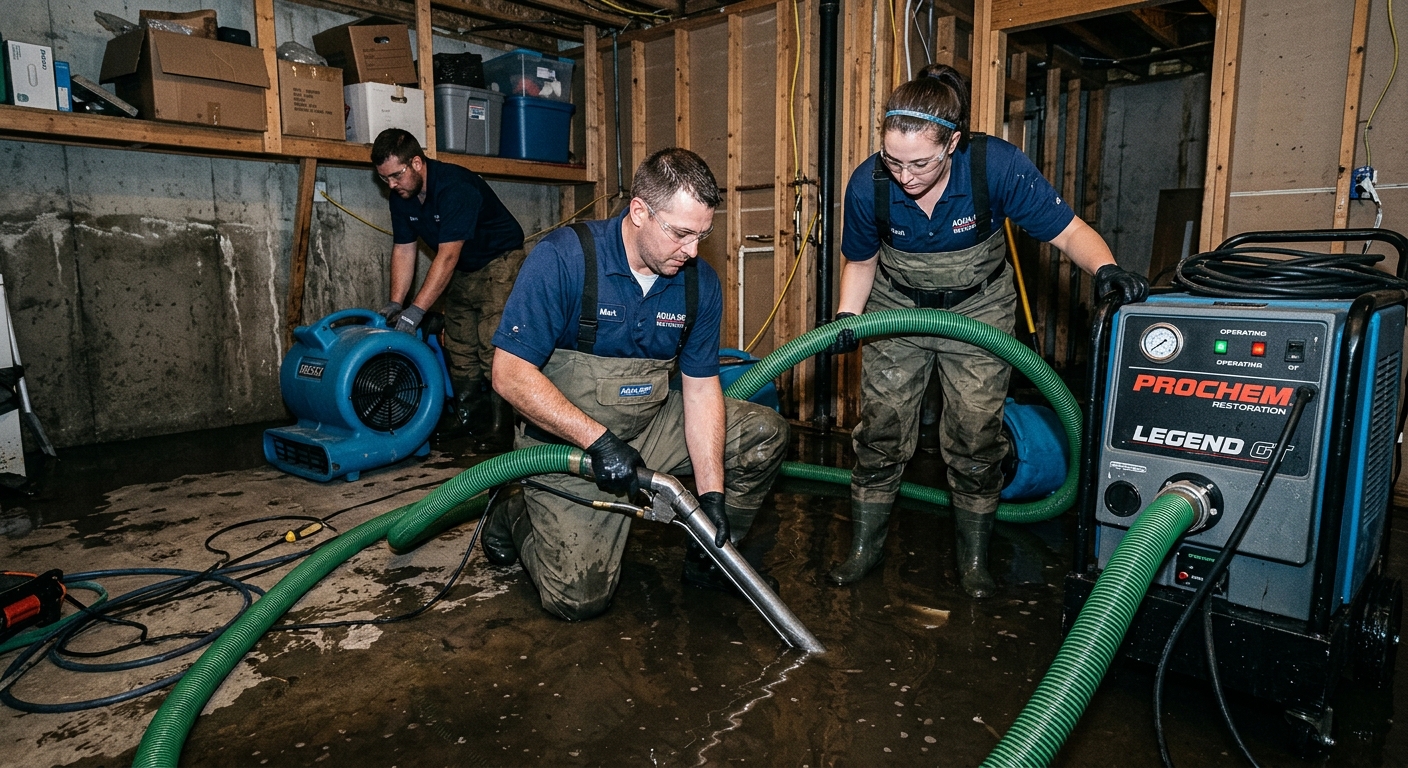
In Old Forge, if you’re reading this while water is rising or equipment is already running, you need clear numbers fast. Most Old Forge homes are single-family houses, and a large majority were built before 1980 (U.S. Census Bureau, ACS 2024), which means you’re likely dealing with plaster and lath walls, finished basements, and hidden moisture in older assemblies after a loss. Water losses here can quickly swell in scope because finishes mask where water has traveled, especially in early-20th-century Scranton-era construction. Nearly three-quarters of homes in Old Forge have basements—meaning more space for water to saturate and equipment to operate, which adds days and dollars to the process.
| Service |
What it covers |
Typical duration |
Price range |
| Water extraction + emergency drying (Cat 1) |
extraction, air movers, LGR dehumidifiers, daily moisture monitoring |
3–5 days |
$1,150–$7,300 |
| Structural drying only (post-extraction) |
drying to standard after water is already out |
3–5 days |
$950–$6,800 |
| Mold remediation with containment |
containment, HEPA filtration, removal, antimicrobial, clearance test |
3–7 days |
$1,450–$10,000 |
| Sewage backup cleanup (Cat 3) |
biohazard protocol, disposal of porous materials, disinfection |
2–5 days |
$2,400–$11,500 |
| Emergency board-up / tarping |
stop further water entry, secure the structure |
same day |
$350–$900 |
Estimates for a typical Old Forge home. Category, affected area and how long the water sat move these figures more than anything else.
Salvage decisions after a water loss
What’s worth saving and what isn’t after a water loss in Old Forge comes down to materials, water type, and the time it sat. With homes often dating to the early 20th century, plaster and lath walls and finished basements dominate, making hidden moisture a common headache here—much more so than in newer neighborhoods. Plaster holds moisture far longer than drywall, increasing the risk of mold behind walls and in old basement assemblies. In most cases, plaster can’t just be left to “dry out” if it has stayed wet for days; it needs monitoring, and often small holes drilled for meter readings and air movement. But immediate demolition isn’t always needed—unless mold is already visible or conditions have been wet for 72+ hours.
Fiberglass insulation and carpet pad, once saturated, usually need removal. Structural framing, if promptly dried, is often salvageable. Solid hardwood floors can sometimes be saved with specialty drying mats, but that’s rare unless action is taken within the first 24–48 hours. Engineered wood (common in some remodeled Old Forge homes) swells and delaminates rapidly, which usually means removal. Drywall below the waterline almost always gets cut – two feet or so above visible damage – but above that, it can sometimes be dried in place.
Finished basements unique to Old Forge often hide moisture beneath paneling, tile, or behind bar areas—so perimeter probing and a cautious approach are warranted. Cabinets depend on substrate: plywood boxes fare far better than particle board when wet, though neither holds up if sitting in water for long. If a contractor says every single surface must go on day one, that’s overkill and drives costs up. Conversely, anyone who promises all finishes can always be saved is setting up a mold problem for later. The best answer: selective demo, meter readings, and a willingness to change course if conditions don’t improve fast.
Choosing a restoration company in twenty minutes
In Lackawanna County—especially Old Forge—the market isn’t flooded with restoration crews, but you do have firm options since some travel in from the Scranton metro. That means you’re not hostage to “whoever picks up first,” but can’t expect a week of shopping around either. If you’ve got a burst pipe still dripping, here’s the fast-track: three questions to confirm before anyone sets foot in the house. First, do they hold a Pennsylvania Home Improvement Contractor registration, and will they send you a copy right now? Second, do they have active workers’ compensation for every person walking in? Third, can their lead technician show IICRC certification on arrival? Get a yes to each or call another number.
Documents in hand before the first piece of equipment is unloaded: (1) signed written contract meeting the Home Improvement Consumer Protection Act (not just a work authorisation), (2) their certificate of insurance showing your address as the certificate holder, and (3) their HIC registration sheet printed or emailed. No exceptions—every legitimate company can provide these within minutes now, and travel time doesn’t excuse missing paperwork. With several crews covering the area, waiting an extra hour is safer than letting an unvetted contractor start opening walls.
- Check active HIC registration for contracts over $500
- Confirm written contract (not just an invoice or work order)
- Verify your address listed on their insurance certificate
- Request lead tech’s IICRC card for S500/S520 jobs
- Ask if they have handled plaster/lath and finished basements
- Request detailed daily moisture logs (not just “all dry”)
- Get clear scope of work—no contracts with blanks
- Don’t allow crews to start unloading without paperwork
- Ask for references from recent Old Forge or Scranton jobs
- Request ETA and crew size—more isn’t always better in small homes
The pressure tactics to watch for in this trade: pushing for work authorisation before you’ve seen scope or price, presenting a blank contract for you to “fill in later,” and unloading fans or tools before you’ve signed a thing. You’re not on the clock until a real contract is in your hands—don’t let urgency override basic good sense.
What proper drying actually looks like
Professional drying in Old Forge is all about deliberate, documented process—not just fans blowing and equipment noise. It starts with moisture mapping: using meters to log exactly where materials are wet or dry, including behind plaster and finished basement assemblies commonly found here. Crews should make a meter reading log at the start, not just visually guess. Air movers circulate air across surfaces while LGR (low-grain refrigerant) dehumidifiers pull moisture from the air—both run continuously, often for 3–5 days, and turning them off at night ruins progress. The drying goal isn’t a guess; it’s a specified moisture content based on readings from non-affected areas of your home or known material standards.
Daily monitoring visits are non-negotiable. Each day, techs should record meter readings in a log—if they can’t show you those, assume measurements aren’t happening. Plaster walls, common in Old Forge, may need extra time or drilled access for probes, especially in winter when this region’s outside air is dry but cold, raising heating costs but speeding up the process. In summer, with only 850 cooling degree days, you won’t get the same “free” dehumidification from air conditioning, so proper equipment sizing matters even more.
Before accepting that a house is dry, ask to see the documented moisture logs. If you get a shrug or “trust me, it’s all good,” call that the red flag it is. Proper drying is measured, not guessed, and involves written records you can keep.
How fast mold starts after a leak in Old Forge
If you’ve got water sitting in an Old Forge home—especially a finished basement or old plaster wall—a 24–48 hour window is about all you get before mold starts colonizing damp materials. That speed is why fast extraction and active drying don’t just save you time; they help you avoid jumping from a Category 1 water job to outright mold remediation. The difference between calling on day one or “waiting for the weekend to pass” is not just a bigger invoice, it’s switching from structural drying rates of $950–$6,800 to a full containment mold remediation of $1,450–$10,000.
Once mold appears or humidity stays high behind walls (easy in finished Old Forge basements with poor airflow), selective demolition is required—cutting out wet finishes and contaminated insulation. At that point, the job must be isolated with containment barriers and negative air pressure systems. Clearance testing follows: an independent test, often using air samples, to certify work areas are safe before repairs start. Always get the clearance result in writing—you want a document, not just a verbal “it’s fine.”
Basements here are notorious for lingering dampness, even in winter, and because older stone or block foundations wick moisture long after surface water is gone, delays cost more than just time. Response speed directly affects final costs and home safety—not because it’s reassuring, but because the market prices every day of delay into the job.
The first hour: what to do before anyone arrives
If you’ve just discovered flooding in your Old Forge home—and the restoration company hasn’t arrived—here’s your sequence, in order:
- Shut off the main water supply if the leak is fresh or ongoing. Your shutoff is often in the basement; don’t wade through deep water to reach it if unsafe.
- Kill power to affected circuits only if the electrical panel is dry, accessible, and you do not need to stand in water to do so.
- Photograph every area, surface, and damaged item before moving anything. Images matter most if insurance is involved; snap before/after shots from each angle.
- Move contents (furniture, boxes, electronics) up onto dry surfaces, not just to another wet corner—wood blocks or counters are best.
- Avoid plugging in or using any household vacuum to remove water—ordinary units are not rated for this and can cause shock or become biohazards.
Call your insurer as soon as you know there’s damage. Whether you do this before or after the restoration company makes less difference than you think, but claims are smoother with your own photos and documentation taken at the first moment. What costs far more: waiting until morning. Mold can start within 24–48 hours, and delays often mean you move from the $1,150–$7,300 range for emergency drying to full-blown mold remediation. Don’t give mold the head start—every hour counts, especially in basements common to Old Forge.
What a Pennsylvania restoration contractor must actually hold
Pennsylvania does not license restoration or mold contractors at the state level. This means that a business card, website, or a local phone number in itself tells you little about a company’s qualifications to handle water or mold jobs specific to Old Forge. Insurers expect contractors to follow IICRC S500 standards for water work and IICRC S520 for mold, so always ask if your lead technician can show actual IICRC certification—most carry a wallet card.
For contracts above $500, written Home Improvement Contractor (HIC) registration from the Pennsylvania Office of Attorney General is mandatory. Before signing, verify their HIC number online. Scranton and surrounding municipalities require building permits only when work moves from emergency drying to structural repair—replacing drywall, framing, or flooring. Non-structural, minor finish work after mitigation is typically permit-exempt.
Ask for a certificate of insurance naming your address as certificate holder, and verify active workers’ compensation coverage for each person on site. This can be checked through the state system. No proper company will hesitate. Demand the signed written contract up front—Pennsylvania’s Home Improvement Consumer Protection Act (HICPA) requires it, and you always get a 3-day right of cancellation. Do not allow work to begin until you have these protections in writing.
Frequently asked questions — water damage restoration in Old Forge
Why does plaster take longer to dry than drywall?
Plaster, so common in older Old Forge homes, takes significantly longer to dry than modern drywall due to its density and how it’s installed over lath. Water seeps into those thick layers and stays there, even after visible surfaces look dry. Unlike drywall—which can sometimes be dried in place—plaster can mask hidden dampness, leading to mold if crews don't use moisture meters or cut test holes. Proper drying in Old Forge often means more time with equipment running, occasional drilling for readings, and a higher risk of needing selective demolition. If left unchecked, “wait and see” almost always leads to a need for full mold remediation services costing $1,450–$10,000 instead of just the price of structural drying. That’s why targeted measurements and patience with older materials protect both your health and your wallet.
How do I verify a restoration contractor's insurance?
In Pennsylvania, including Old Forge, responsible contractors will email or hand you a certificate of insurance naming your address as the certificate holder—don’t settle for a copy with someone else’s name or a vague “general” version. Check that both general liability coverage and active workers’ compensation are shown. For workers’ comp, you can verify coverage using the WCAIS system online. If a contractor resists providing this document before starting work, consider it a red flag. Losses involving water and mold can get expensive—sometimes reaching $7,300 for extraction alone—so ensuring the company is actually insured protects you from claims and bad repair jobs. Never let anyone start demolition, extraction, or equipment setup until you see proof in writing.
Will my premium go up after a water damage claim?
In Old Forge and the rest of Pennsylvania, making a claim for water damage may increase your homeowner’s insurance premium, especially if it’s your first claim in many years. However, leaving a loss untreated can lead to much higher out-of-pocket costs—mold remediation in this market can hit $10,000. Insurers look at claim frequency, category of water loss, and how preventable it was. Many policies cover sudden incidents (like a burst pipe), but not slow leaks or pre-existing mold. It’s wise to contact your agent early for advice specific to your policy. If the job can be completed for less than your deductible, you may choose to self-pay. But for any loss bigger than a minor area, prompt reporting and proper documentation protect you if complications occur down the road.
Do older Old Forge homes need different treatment?
Yes—most homes in Old Forge were built before 1980 and have unique assemblies like plaster over lath, finished basements, and wood or stone foundations. These materials hold moisture much longer than modern drywall and slab construction, often hiding dampness behind the visible surface. Crews should use moisture meters specifically designed for thick plaster and evaluate basement moisture with special attention. Selective demolition may be necessary in hidden areas—especially in finished basements common here. Restoration in an older home isn’t always more expensive, but it can take longer and may require extra equipment to dry deep-seated water, potentially bringing your costs from $950–$6,800 for structural drying up to mold remediation if not managed promptly.
How much does a flooded basement cost to restore in Old Forge?
Restoring a flooded basement in Old Forge, where finished basements and older construction are common, usually falls in the $1,150–$7,300 range for water extraction and emergency drying. If sewage is involved or the loss sits for more than 48–72 hours, prices can rise to $2,400–$11,500 due to the need for biohazard protocols or mold remediation. Costs depend on how much area is affected, what materials are saturated (plaster, paneling, flooring), and how long water sits before crews arrive. Older basements with hidden voids under stairs or bars need extra moisture checks to avoid persistent mold. Always ask for meter readings and a clear written scope to avoid surprises.
How long before mold starts growing?
In the typical Old Forge basement—often cooler and finished—mold can begin colonizing wet surfaces within 24–48 hours after a water loss. Summer humidity or poor air movement speeds things up, especially in hidden areas behind walls and under floors. That’s why prompt extraction and active drying are critical: they keep your job in the emergency drying price range ($1,150–$7,300) instead of mold remediation ($1,450–$10,000). If visible mold appears or musty odors persist before or after drying, request professional sampling and written clearance testing for peace of mind. The faster the response, the better your outcome.
Why is water damage priced per square foot?
Water damage services in Old Forge—and really anywhere in Pennsylvania—are often priced by the square foot because the extent of saturation, demolition, and equipment required depends directly on how much space is wet. A small top-floor leak may only need extraction, while finished basements common in Old Forge can involve hundreds of square feet, multiple types of finishes, and days of specialized drying. Each additional area means more air movers, dehumidifiers, and labor hours. That’s why even services that start at $1,150 can stretch toward the top of the range if basements, utility rooms, or large rec spaces are involved.
Does homeowner's insurance cover water damage in Old Forge?
In Old Forge, most homeowner’s policies cover sudden, accidental water damage—like a burst pipe or failed washing machine hose—but not water creeping in over time or pre-existing mold. Finished basements complicate things, as sump pump failures and sewer backups might not be included without a specific rider. Typical covered claims fall into the $1,150–$7,300 range for extraction and drying. Always notify your insurer right away, take thorough photos, and keep all estimates and contracts in writing for reimbursement. Ask your agent about coverage limits for basement finishes so there are no surprises later.
How long does water damage drying take in Old Forge?
In Old Forge, typical drying for Category 1 (clean) water runs about 3–5 days, from equipment setup to target moisture readings. Older homes with plaster, thick subfloors, or finished basements may need additional days, especially if water gets trapped in cavities or behind walls. The region’s cold winters actually help, as running heat and dehumidifiers together speeds drying. Don’t trust progress to sight or touch—request written moisture logs each day. For a typical home, expect drying costs in the $1,150–$7,300 range, with only severe or delayed losses running toward the upper end.
Can I clean up water damage myself in Old Forge?
For very small, accessible spills—maybe a few square feet—Old Forge homeowners with shop vacs and fans might be able to handle surface water. But basements, wall cavities, or anything beyond one room usually go beyond DIY. Hidden water in plaster/lath, carpet pad, or finished basements can elude household equipment and lead to mold—pushing a $950–$6,800 drying job into a much steeper remediation bill. Most insurance companies require professional documentation and certified drying for claims. If you’re unsure how deep the water went or if you see signs of swelling, call a pro. The right first call saves both money and time.